
Index
- Introduction
- Understanding the Link Between Stress and Time
- What Is Time Management?
- Why Poor Time Management Causes Stress
- Benefits of Time Management in Reducing Stress
- Better Organization
- Increased Productivity
- More Free Time
- Improved Work-Life Balance
- Boosted Confidence
- Effective Time Management Strategies to Reduce Stress
- Prioritization Techniques
- The Power of Scheduling
- Avoiding Procrastination
- Setting Realistic Goals
- Learning to Say No
- Using Technology Wisely
- Time Management in Work Life
- Time Management in Personal Life
- Common Mistakes in Time Management
- Scientific Evidence: How Time Management Reduces Stress
- Real-Life Examples of Stress-Free Living Through Time Management
- Conclusion

- Introduction
Stress is a common challenge people face today. From work deadlines to personal responsibilities, life can feel overwhelming. The good news is that managing your time effectively can help reduce stress. When you organize your time wisely, you take control of your tasks, avoid last-minute chaos, and create space for relaxation.
This article discusses how managing time effectively can lower stress, backed by strategies, examples, and research-based evidence.
- Understanding the Link Between Stress and Time
Stress often appears when people feel they have too much to do and not enough time. Missing deadlines, piling responsibilities, and constant rushing create anxiety. The reality is that time is constant—we all have 24 hours in a day. What really matters is how we manage that time.
- What Is Time Management?

Time management is the process of planning how you spend your time to get things done efficiently. It includes prioritizing, organizing, scheduling, and making clear decisions about how to use each hour.
Good managing time effectively does not mean working harder; it means working smarter.
- Why Poor Time Management Causes Stress
Poor time management often leads to:
- Missed deadlines
- Work overload
- Procrastination
- Low productivity
- Lack of personal time
These situations create stress and make you feel out of control. On the other hand, effective managing time effectively helps restore balance and lowers stress levels.

- Benefits of Time Management in Reducing Stress
5.1 Better Organization
When tasks are organized well, you spend less time worrying and more time taking action. A clear to-do list helps clear your mind.
5.2 Increased Productivity
Managing your time means you can complete work on schedule, leaving no room for unnecessary panic.
5.3 More Free Time
managing time effectively helps you avoid late nights at work, giving you the freedom to relax and recharge.
5.4 Improved Work-Life Balance
Finding a balance between work and personal life is important. Good managing time effectively helps prevent burnout.
5.5 Boosted Confidence
Consistently meeting deadlines builds confidence and reduces stress about upcoming tasks.
- Effective Time Management Strategies to Reduce Stress
6.1 Prioritization Techniques
Use methods like the Eisenhower Matrix or the Pareto Principle (80/20 rule) to identify urgent and important tasks.
6.2 The Power of Scheduling
A daily schedule brings structure, helps you avoid wasted time, and reduces uncertainty.
6.3 Avoiding Procrastination
Putting off tasks increases pressure. Breaking big tasks into smaller parts can help you overcome procrastination.
6.4 Setting Realistic Goals
SMART goals (Specific, Measurable, Achievable, Relevant, Time-bound) ensure that your expectations are practical and stress-free.
6.5 Learning to Say No
Taking on too many responsibilities adds unnecessary stress. Manage your time by saying no when needed.
6.6 Using Technology Wisely
Apps like Trello, Notion, or Google Calendar can help track your time and reduce stress from forgetfulness.
- Time Management in Work Life
In your professional life, managing time directly affects stress levels. Employees who manage their time well face fewer late nights, meet deadlines, and feel more in control. Employers value these skills because they boost efficiency and lower workplace stress.
- Time Management in Personal Life

In your personal life, good managing time effectively ensures you have time for hobbies, family, and rest. By balancing commitments, you can avoid feeling overwhelmed and improve your mental health.
- Common Mistakes in Time Management
- Overloading schedules
- Not delegating tasks
- Ignoring breaks
- Underestimating how long tasks will take
- Constantly checking social media
Avoiding these mistakes can greatly reduce stress.
- Scientific Evidence: How Time Management Reduces Stress
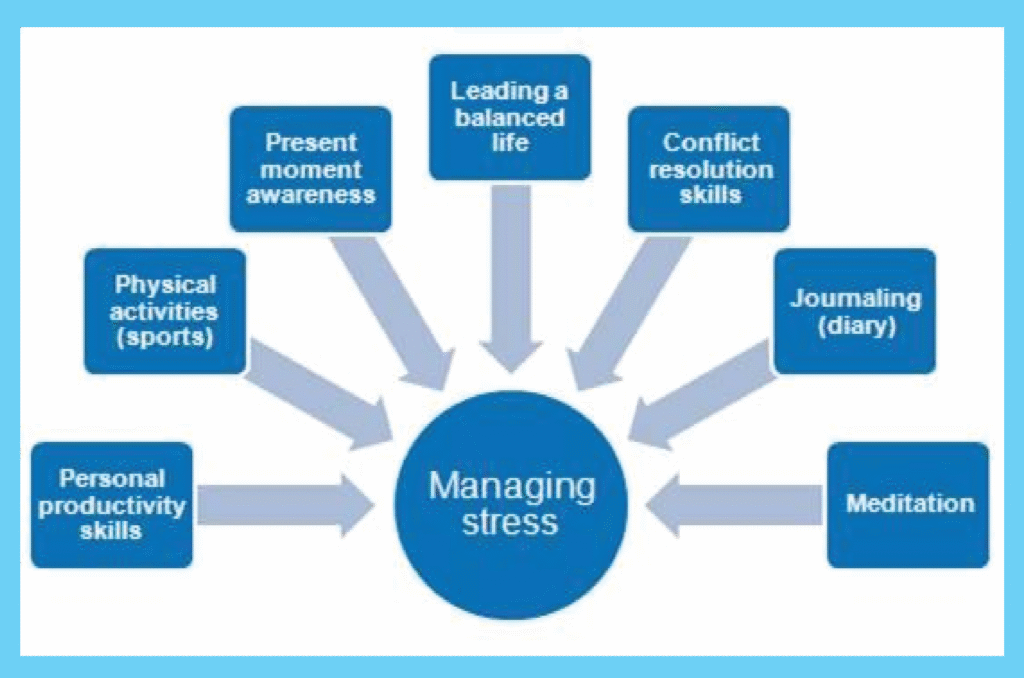
Research published in The Journal of Applied Psychology shows that people who use managing time effectively techniques report lower stress levels and better well-being. Organized schedules lower cortisol (the stress hormone) and increase life satisfaction.
- Real-Life Examples of Stress-Free Living Through Time Management
- Students who create study schedules before exams feel less anxious.
- Professionals who focus on key tasks avoid burnout at work.
- Parents who plan routines for their children feel less chaotic at home.
These examples show that managing time reduces stress in many aspects of life.
- Conclusion
Stress is unavoidable, but it doesn’t have to control your life. managing time effectively is the solution to reducing stress, boosting productivity, and maintaining balance. By prioritizing tasks, scheduling effectively, and avoiding procrastination, you can regain control of your day and live more peacefully.
Remember, it’s not about having more time. It’s about managing the time you already have.
for more article click here


Leave a Reply