
Index
- Introduction: Why Understanding Goal Setting Matters
- Locke & Latham’s Goal-Setting Theory
- SMART Goals Framework
- GROW Model for Coaching and Planning
- Expectancy-Value Theory
- Self-Determination Theory (SDT)
- Implementation Intentions (If–Then Planning)
- Temporal Motivation Theory (Procrastination and Time)
- Additional Goal-Related Theories (Expectancy, Regulatory Focus)
- Comparative Summary: When to Use Each Theory
- Real-World Applications and Examples
- Practical Tips to Master Goal Setting
Introduction: Why Understanding Goal Setting Matters
Goal setting theory isn’t just academic; it’s the basis for effective habits, strong performance, and real results. Whether you’re managing teams, learning new skills, or coaching others, it’s important to understand why some goals succeed and others fail. Let’s explore the most influential goal setting models that have helped both researchers and practitioners.
Locke & Latham’s Goal-Setting Theory
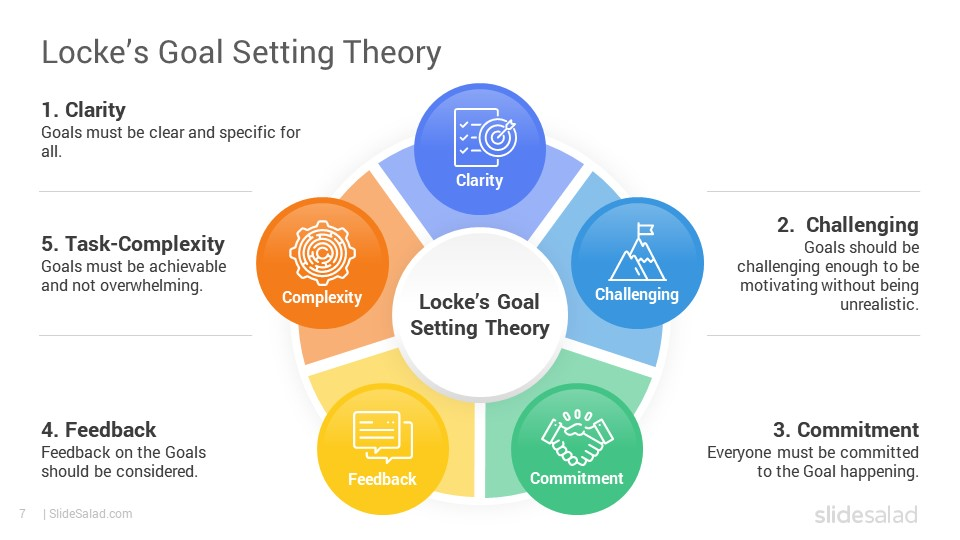
Developed by Edwin Locke and Gary Latham, this foundational theory highlights five key principles: clarity, challenge, acceptance, feedback, and task complexity. Specific and challenging goals tend to boost motivation and performance. Their theory serves as the backbone of effective goal setting, proven in workplaces, education, and sports.
SMART Goals Framework
SMART is a popular goal setting framework that emphasizes Specific, Measurable, Achievable, Relevant, and Time-bound goals. This structure helps turn vague dreams into actionable plans. While it’s based on Locke & Latham’s theory, SMART adds practical clarity to make goal setting manageable.
GROW Model for Coaching and Planning
The GROW model—Goal, Reality, Options, Will—is a coaching-focused approach to goal setting. It helps individuals transition from vision to actionable steps. This model is ideal for one-on-one guidance. It builds not just goals, but plans that consider context and motivation.
Expectancy-Value Theory
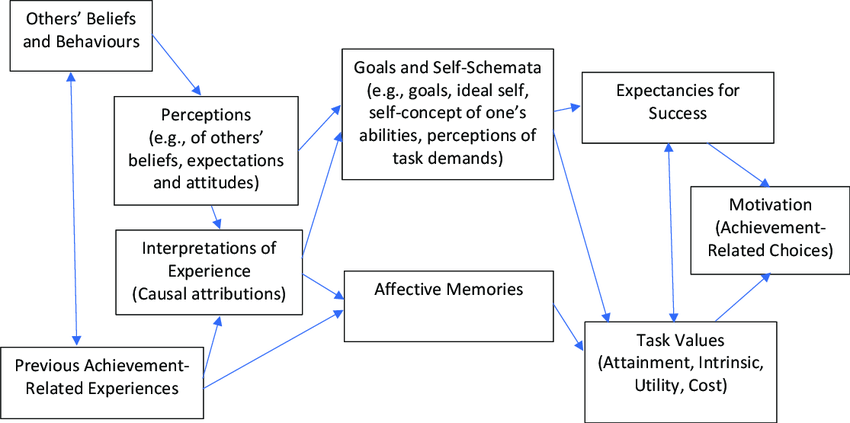
This educational motivation model suggests that effort is influenced by how much success someone expects and how much they value the goal. It’s a useful way to improve goal setting in learning and personal growth, especially when motivation dips.
Self-Determination Theory (SDT)
SDT focuses on intrinsic motivation. Goals are more motivating when they satisfy autonomy, competence, and relatedness. Intrinsic drives usually maintain effort beyond external rewards. For lasting change, it’s essential to align your goals with personal values.
Implementation Intentions (If-Then Planning)
Psychologist Peter Gollwitzer introduced implementation intentions to help turn intentions into habits. By specifying when and where to take action (“If X happens, then I will do Y”), this concrete step increases success in goal setting.
Temporal Motivation Theory (Procrastination & Time)
TMT combines various motivation theories and shows how time pressure affects urgency and goal pursuit. It explains procrastination with this formula:
Motivation = (Expectancy × Value) / (1 + Impulsiveness × Delay)
As deadlines approach, motivation rises—a valuable insight for effective goal setting.
Additional Goal-Related Theories
Expectancy Theory: Motivation depends on expected outcomes and their desirability.
Regulatory Focus Theory: Individuals pursue goals with either a promotion focus (seeking gains) or prevention focus (avoiding losses).
Theory
Use Case
Strength
Locke & Latham
Institute performance-driving goals
Solid research basis (Wrike, The Decision Lab)
SMART
Everyday, personal or business goals
Structured and clear (Wikipedia)
GROW
Coaching and reflection
Strategic and conversational (Wikipedia)
Expectancy-Value
Educational or personal relevance
Focuses on belief + value alignment (Wikipedia)
Self-Determination (SDT)
Sustainable, internal motivation
Long-term drive (Wikipedia)
Implementation Intentions
Establishing habits
Automatic behavior triggers (Wikipedia)
Temporal Motivation Theory
Battling procrastination
Time-based urgency insights (Wikipedia)
Expectancy / Regulatory Focus
Tailoring motivational approaches
Deepens understanding of motivational styles (Wikipedia)
Real-World Applications and Examples
Corporate: Managers set clear, challenging, feedback-oriented targets according to Locke & Latham’s theory to enhance performance.
Fitness: “Run 3 times a week for 30 minutes” is a SMART, value-aligned goal.
Education: Students apply expectancy-value theory when motivation hinges on recognizing goal relevance.
Habits: A healthy meal prep strategy works through “If it’s Sunday evening, then I’ll prepare meals,” using the intention strategy.
Procrastination: Planning tasks in chunks with nearby deadlines reflects Temporal Motivation Theory in action.
Practical Tips to Master Goal Setting

Start with your why—align your goals with intrinsic values (SDT).
Define a SMART structure.
- Create clarity and challenge (Locke & Latham).
- Write down your “If–Then” plans (Implementation Intentions).
- Use deadlines to increase motivation (TMT).
- Match your approach—promotion versus prevention (Regulatory Focus).
- Regularly track progress and adjust.
Conclusion: Putting Theory into Practice
Understanding goal setting theories helps you create goals that are clear, motivating, and sustainable. From foundational insights (Locke & Latham) to practical tools (SMART, GROW), psychological factors (Expectancy-Value, SDT), habit integration (Implementation Intentions), and insights into time pressure (TMT)—each theory adds depth to your strategy.
The key is to choose models that suit your situation and apply them consistently and clearly. Be ready to achieve with purpose!
for more article click here


Leave a Reply