

Introduction
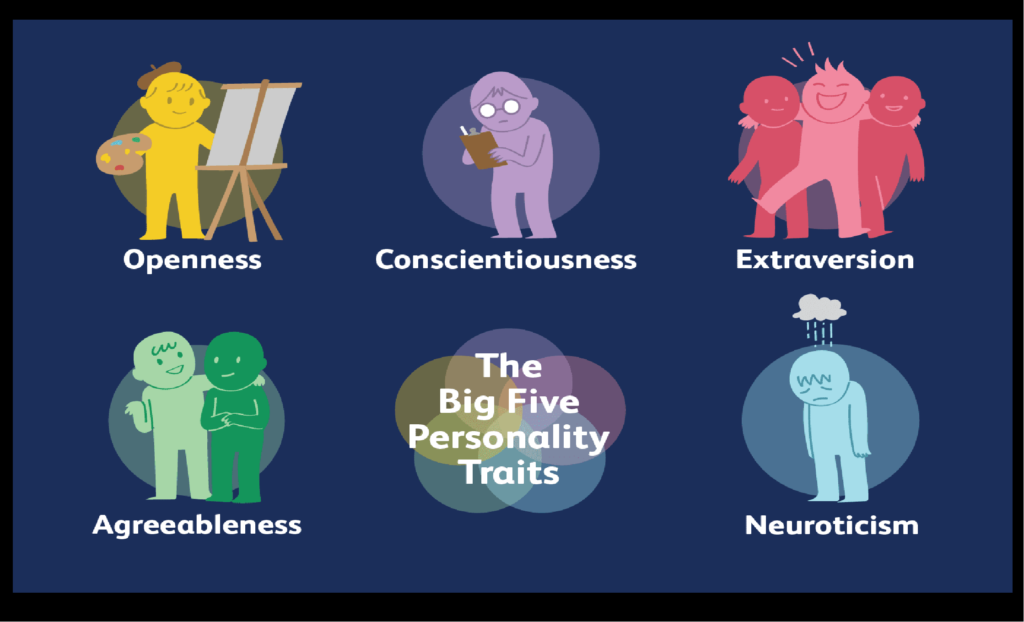
When someone asks, “What are the 5 areas of personality?”, they are usually referring to the Big Five Personality Traits Model, a research-based framework used by psychologists worldwide. These areas—Openness, Conscientiousness, Extraversion, Agreeableness, and Emotional Stability—describe how people think, behave, and interact.
In this article, you will learn about each area, its significance in your life, and how to develop it for both personal and professional success.
Why Understanding Personality Matters
- Helps in career choices and job satisfaction.
- Improves relationships and communication.
- Supports self-growth and confidence.
- Assists leaders in team building and collaboration.
- Provides insights into mental health and resilience.
In short, your personality is your brand. By enhancing these areas, you improve not only how the world sees you but also how you see yourself.
The 5 Main Areas of Personality
- Openness to Experience
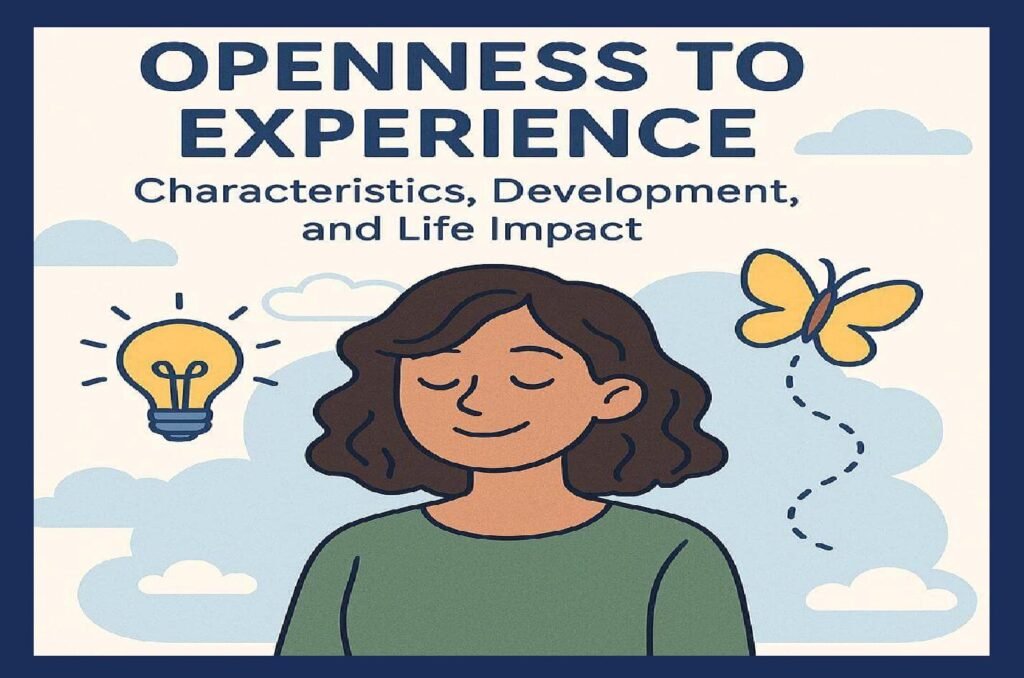
- This area reflects curiosity, imagination, and creativity.
- High openness means being adventurous, enjoying new experiences, and thinking innovatively.
- Low openness means preferring routine, being practical, and valuing structure.
Why it matters: Openness aids in problem-solving, adaptability, and personal growth.
- Conscientiousness

- This measures self-discipline, responsibility, and goal-setting.
- High conscientiousness means being organized, dependable, and skilled in time management.
- Low conscientiousness means being more spontaneous and sometimes careless or forgetful.
Why it matters: This trait is the best indicator of success in work, academics, and long-term goals.
- Extraversion

- This area shows how outgoing and social you are.
- High extraversion means being energetic, people-oriented, and thriving in social settings.
- Low extraversion, or introversion, means being reserved, reflective, and enjoying solitude.
Why it matters: Extraversion affects networking, leadership, and relationships.
- Agreeableness
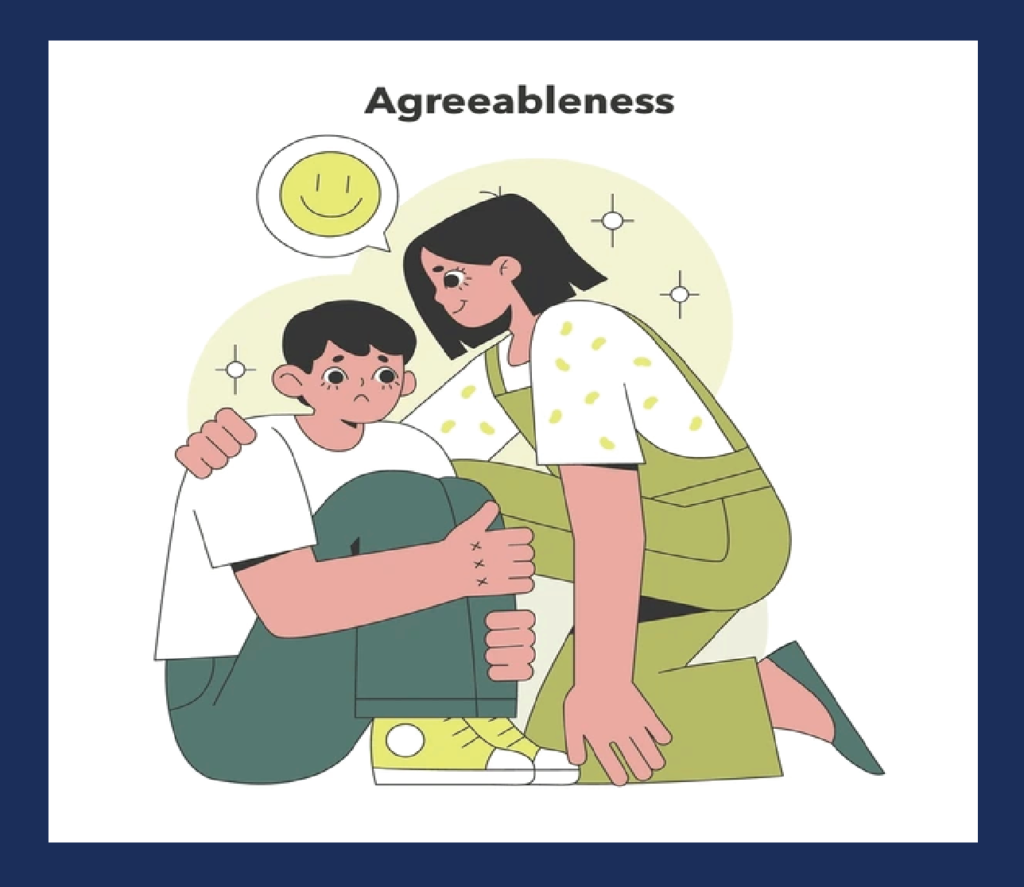
- This reflects kindness, empathy, and cooperation.
- High agreeableness means being compassionate, trusting, and helpful.
- Low agreeableness means being more competitive, skeptical, and straightforward.
Why it matters: Agreeable people excel in teamwork, friendships, and service-oriented careers.
- Emotional Stability (vs. Neuroticism)

- This area measures how calm or anxious a person is.
- High emotional stability means being resilient, positive, and able to handle stress well.
- High neuroticism refers to being anxious, moody, and emotionally reactive.
Why it matters: Strong emotional balance enhances mental health, relationships, and decision-making.
| Personality Area | High Traits | Low Traits | Why It Matters |
|---|---|---|---|
| 🧠 Openness | Creative, curious, open to new ideas | Practical, prefers routine | Encourages adaptability & innovation |
| 💪 Conscientiousness | Organized, reliable, goal-oriented | Spontaneous, careless, forgetful | Strongest predictor of career & academic success |
| 😊 Extraversion | Outgoing, energetic, people-oriented | Reserved, reflective, quiet | Improves networking, leadership & social bonds |
| 💖 Agreeableness | Kind, cooperative, empathetic | Competitive, skeptical, blunt | Builds strong relationships & teamwork |
| 🔥 Emotional Stability | Calm, resilient, stress-resistant | Anxious, moody, reactive | Supports mental health & decision-making |
Real-Life Examples
- Openness: Artists, innovators, travelers.
- Conscientiousness: Surgeons, pilots, managers.
- Extraversion: Sales leaders, entertainers, politicians.
- Agreeableness: Counselors, teachers, caregivers.
- Emotional Stability: Crisis managers, therapists, emergency responders.
How the 5 Areas of Personality Affect Success
- Career Growth: Conscientious individuals tend to achieve greater career success.
- Leadership: Extraversion and openness enhance influence.
- Relationships: Agreeable and emotionally stable people tend to have stronger bonds.
- Creativity: Openness fuels innovation and adaptability.
- Resilience: Emotional stability helps you overcome setbacks.
Personality Development Tips
Boosting Openness
- Read for 20 minutes each day.
- Try a new hobby each month.
- Travel or explore new cultures.
Improving Conscientiousness
- Use planners or productivity apps.
- Break large goals into smaller steps.
- Practice consistency in your routines.
Balancing Extraversion
- For introverts: Join a networking group once a month.
- For extroverts: Practice listening more deeply.
Growing Agreeableness
- Volunteer weekly.
- Keep a gratitude journal.
- Engage in empathy-building activities.
Building Emotional Stability
- Practice daily mindfulness or meditation.
- Exercise regularly.
- Limit overthinking by journaling.
FAQs
Q1: What are the 5 areas of personality called?
They are Openness, Conscientiousness, Extraversion, Agreeableness, and Emotional Stability.
Q2: Which area of personality is most important for success?
Research shows that Conscientiousness is the strongest predictor of success, but all five traits matter.
Q3: How can I improve my personality?
By developing habits that enhance openness, responsibility, communication, empathy, and resilience.
Q4: Are personality traits permanent?
No, personality can grow and change through self-awareness and practice.
Conclusion
The 5 areas of personality—Openness, Conscientiousness, Extraversion, Agreeableness, and Emotional Stability—shape how we think, act, and connect. By understanding and developing these traits, you can improve career performance, relationships, and overall well-being.
Start today with small, consistent changes, and your personality will become your greatest strength.
for more articles like this, click here


Leave a Reply