
Introduction
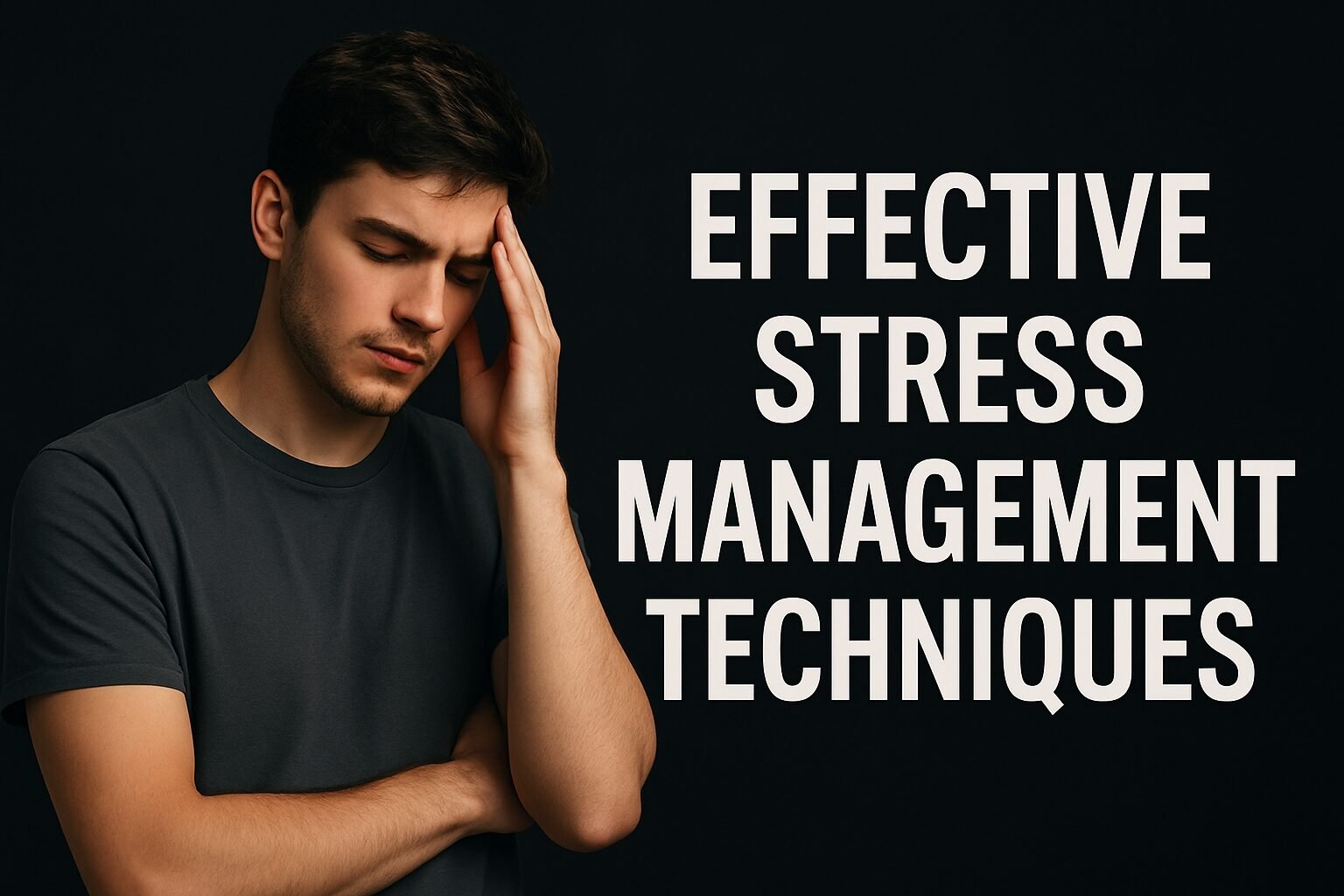
In today’s fast-paced world, stress is almost unavoidable. Between work deadlines and personal responsibilities, we constantly juggle multiple challenges. The good news is that with the right stress management techniques, we can turn stress from a harmful burden into a tool for growth and resilience.
This article explores how stress management can help improve our health, happiness, productivity, and relationships. It will also show you how to start building stress resilience today.
What is Stress and Why Do We Experience It?
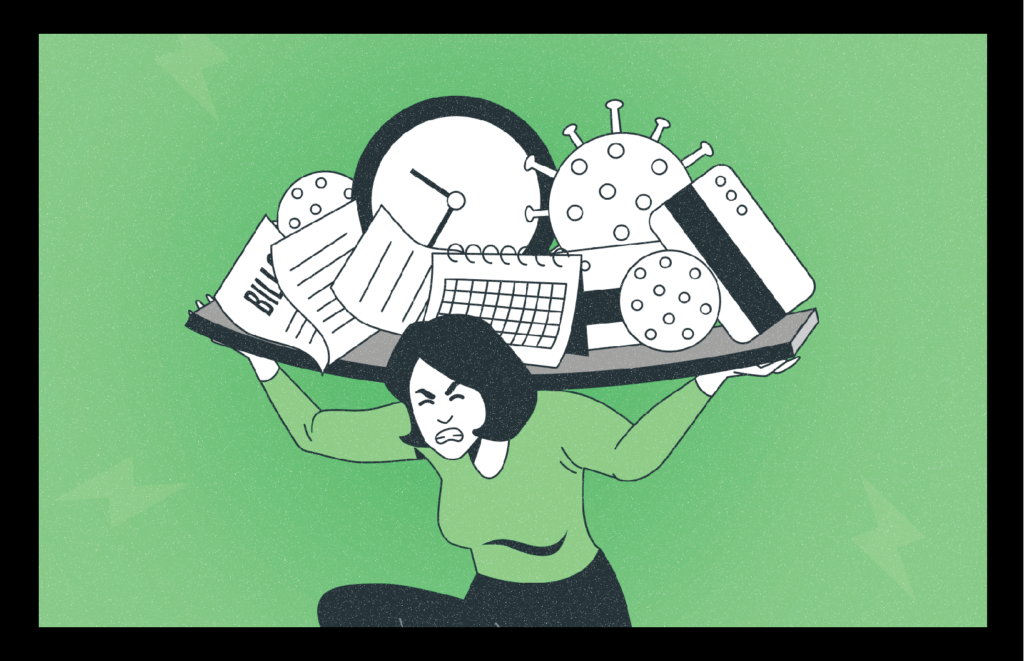
Stress is the body’s natural response to pressure, challenges, or perceived threats. It triggers the release of hormones like cortisol and adrenaline, preparing us to react quickly. This survival mechanism is known as the fight-or-flight response.
In moderation, stress can motivate us to perform better. However, when left unchecked, chronic stress can damage our health, reduce productivity, and impact our relationships.
Why Stress Management Matters in Daily Life
Managing stress isn’t about trying to eliminate it. It’s about finding balance. By learning how to manage stress effectively, you:
- Protect your mental health
- Strengthen your immune system
- Improve focus and decision-making
- Build better relationships
- Increase productivity at work and school
- Create space for personal growth and happiness
The Science Behind Stress (Fight-or-Flight Explained)
When faced with pressure, your body reacts instantly:
- Your heart rate increases
- Breathing becomes faster
- Muscles tense up
- Blood sugar spikes for energy
While this response helps in emergencies, being in this state constantly can lead to burnout, anxiety, depression, heart disease, and sleep problems.
That’s why stress management is important—it helps reset the body and mind to a balanced state.
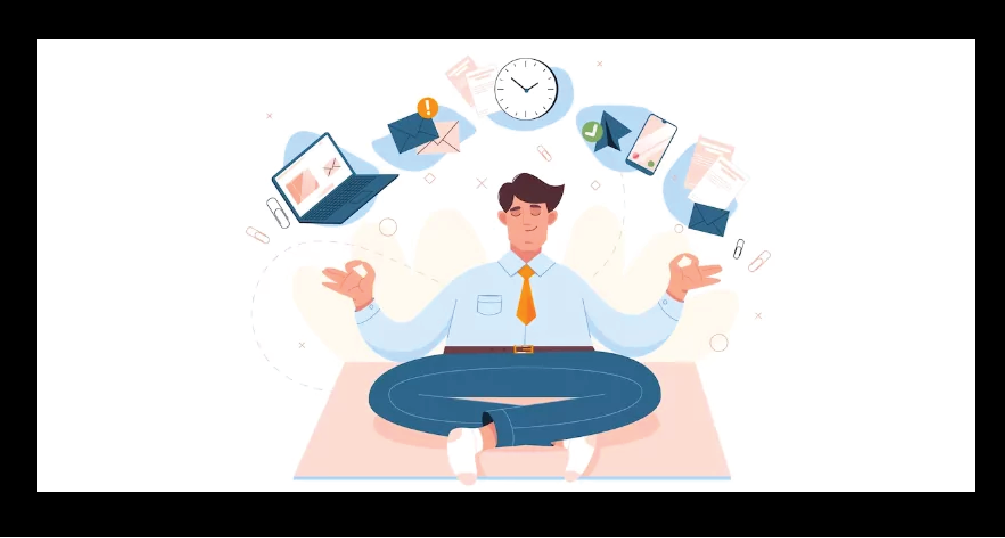
Benefits of Stress Management
- Better Physical Health
- Lowers blood pressure
- Reduces risk of heart disease
- Strengthens immunity
- Improves sleep quality
- Mental & Emotional Well-Being
- Reduces anxiety and depression
- Improves mood and optimism
- Enhances focus and memory
- Stronger Relationships
- Improves communication
- Increases patience and empathy
- Reduces unnecessary conflicts
- Career & Productivity Boost
- Better decision-making
- Improved creativity
- Increased motivation and job satisfaction
- Personal Growth
- Builds resilience
- Boosts confidence
- Creates a balanced, happier lifestyle
| Technique | Primary Benefit | How to Do It (Quick Start) | Best For |
|---|---|---|---|
| Mindful Breathing Fast relief | Reduces cortisol, calms the nervous system | Inhale 4s → hold 4s → exhale 6–8s. Repeat for 2–5 minutes. | Acute stress, anxiety spikes, pre-meeting nerves |
| Meditation (5–10 min) | Focus & emotional balance | Sit upright, eyes soft, notice breath. When distracted, gently return to breath. | Daily baseline stress, mental clarity, better sleep |
| Exercise / Walking | Endorphins, mood lift, better sleep | 10–20 min brisk walk or light cardio; stretch shoulders/hips after. | Restlessness, brain fog, low mood |
| Time Blocking | Less overwhelm, more control | Plan 3 MITs (Most Important Tasks). Block 25–50 min focus slots + breaks. | Workload stress, deadlines, procrastination |
| Journaling | Clarity, emotion regulation | Write for 5 min: “What I feel, why I feel it, one next step I’ll take.” | Racing thoughts, decision fatigue |
| Gratitude Note | Positive reframing | List 3 things you’re grateful for; 1 sentence each. | Negativity bias, low motivation |
| Social Support | Connection, perspective | Call/text a trusted person; ask for listening, not fixing. | Loneliness, relational stress |
| Digital Boundaries | Reduced cognitive load | Turn off non-essential notifications; 2–3 email checks/day. | Info overload, distraction loops |
| Sleep Hygiene | Recovery, resilience | Consistent bedtime, dark cool room, no screens 60 min before sleep. | Chronic stress, irritability, fatigue |
| Nutrition & Hydration | Stable energy, fewer mood dips | Protein + fiber each meal; water goal: ~2–3L/day (adjust personally). | Afternoon crashes, brain fog |
| Tip: Pair one fast relief tool (breathing/walk) with one foundation habit (sleep/meditation) for best results. | |||
Effective Stress Management Techniques
- Meditation helps calm the nervous system and lowers cortisol levels. Just 10 minutes of daily mindfulness can reduce stress and increase clarity.
- Exercise & Movement
- Physical activity is a natural stress reliever. Activities like walking, yoga, or dancing release endorphins, which are the body’s “happy hormones.”
- Healthy Lifestyle Habits
- Eat a balanced diet
- Drink enough water
- Sleep 7–8 hours each night
- Limit caffeine and alcohol
- Time Management
- Planning ahead reduces last-minute panic. Use planners, digital apps, or techniques like the Pomodoro technique to stay focused.
- Social Support
- Talking to friends, family, or mentors lightens emotional burdens. A strong support system helps you feel understood and connected.
- Positive Thinking
- Reframing challenges as opportunities reduces stress. Keeping a gratitude journal is a useful daily practice for building positivity.
Real-Life Examples of Stress Management Success
- A student preparing for exams uses guided meditation and study breaks to prevent burnout.
- A professional in a high-stress job practices time blocking and morning yoga, which enhances focus and job performance.
- A parent balances family responsibilities by combining gratitude journaling with evening walks, which helps reduce anxiety.
Stress Management in the Workplace & Career Growth
Work stress is one of the biggest challenges today. Effective stress management helps you:
- Avoid burnout
- Improve teamwork
- Stay productive under pressure
- Build leadership qualities
Stress Management for Students & Young Adults

Students face many pressures, academically, socially, and personally. By practicing:
- Mindful breathing before exams
- Regular exercise for energy
- A break from social media
they can improve concentration, confidence, and emotional resilience.
Daily Habits to Build Stress Resilience
- Wake up early with gratitude
- Spend 5 minutes on breathing exercises
- Plan the 3 most important tasks for the day
- Eat balanced meals
- Take breaks from screens
- Move daily, whether it’s walking, stretching, or going to the gym
- Journal before bed
FAQs
Q1: How does stress management improve health?
Stress management lowers blood pressure, improves immunity, and reduces the risk of heart disease.
Q2: What are simple stress management techniques?
Deep breathing, meditation, exercise, and journaling are simple but effective methods.
Q3: How does stress management improve productivity?
It increases focus, prevents burnout, and helps you make better decisions.
Q4: Can stress management improve relationships?
Yes! Managing stress allows you to stay calm, listen better, and avoid unnecessary conflicts.
Q5: Is stress always bad?
No, small amounts of stress can motivate you, but chronic stress can harm your health and happiness.
Conclusion
Stress is part of life, but it doesn’t have to control you. By practicing effective stress management techniques, you can protect your health, relationships, career, and happiness.
Start small. Take deep breaths, journal your thoughts, and move your body daily. With consistency, stress becomes a tool instead of a threat, helping you grow stronger, calmer, and more successful.
for more article, click here


Leave a Reply