
Introduction
Procrastination is something nearly everyone faces. It’s the habit of putting off important tasks in favor of comfort or distractions. While delaying work can feel good at first, it usually brings stress, missed chances, and reduced productivity.
The good news is procrastination isn’t permanent. You can overcome it with the right strategies, habits, and mindset changes. This guide looks at why people procrastinate, its negative effects, and effective ways to stop procrastinating and take control of your time.
What is Procrastination?
Procrastination is the intentional delay of important work, even when you know that postponing can have negative effects. Instead of concentrating on what matters, people often get caught up in distractions like social media, endless scrolling, or small tasks that don’t really help.
Common Examples:
- Waiting until the last minute to finish projects.
- Skipping workouts or fitness routines.
- Delaying studying or learning new skills.
- Putting off financial planning or career decisions.
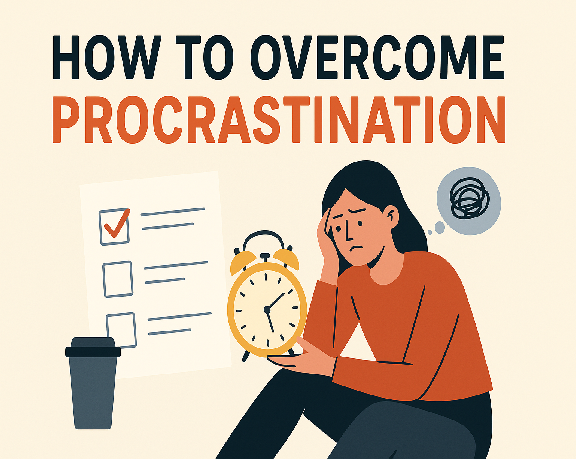
Why Do We Procrastinate? (Psychological Reasons)
- Fear of Failure
People often put off tasks because they’re afraid they won’t succeed. This anxiety can make them avoid the work entirely.
- Perfectionism
Wanting perfect results can prevent you from even starting. Many procrastinators wait for the “perfect” moment that never comes.
- Lack of Motivation
When tasks don’t feel rewarding or important, it’s easy to put them off.
- Poor Time Management
Not knowing how to prioritize leads to wasted time and unachieved goals.
- Instant Gratification
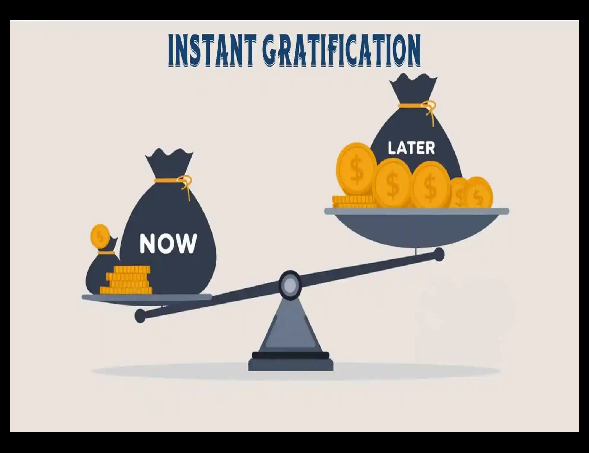
The brain prefers quick rewards—like watching videos or scrolling—over long-term effort.
Effects of Procrastination
- Chronic procrastination can significantly impact your life:
- Studies show that students who delay work often experience stress and low grades.
- In the workplace, professionals may miss deadlines and hinder their career progress.
- Mental health suffers too, as constant delays raise feelings of guilt, stress, and anxiety.
- Personal growth often stagnates, with goals like fitness, learning, and finances pushed aside.
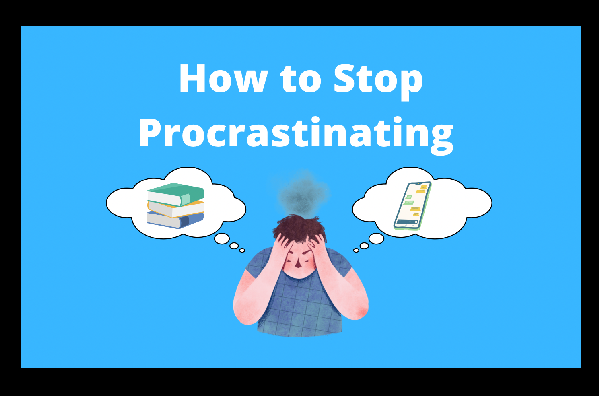
How to Stop Procrastinating – Step-by-Step Strategies
https://www.boisestate.edu/coen-mbe/2021/04/20/5-ways-to-stop-procrastinating/
- Break Tasks into Smaller Pieces
Big projects can feel overwhelming. Break them down into smaller steps to make progress easier.
- Apply the 5-Minute Rule
Tell yourself you’ll work for just five minutes. Starting often leads to longer periods of focus.
- Prioritize with the Eisenhower Matrix
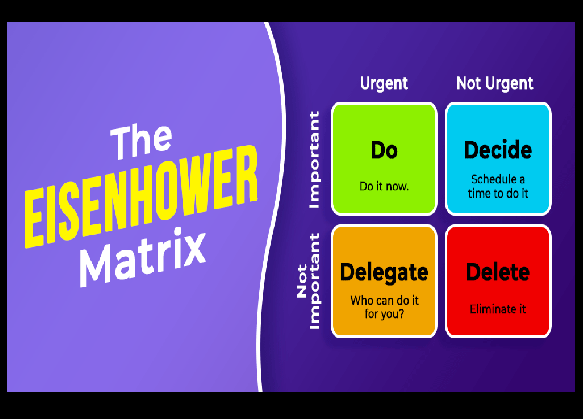
Sort tasks into urgent, important, or less important categories. Focus on what truly matters.
- Use the Pomodoro Technique
Work for 25 minutes, then take a short break. This helps build focus and prevents burnout.
- Remove Distractions
Turn off notifications, block distracting apps, and create a focused workspace.
- Set Realistic Deadlines
Tasks without deadlines promote delays. Give yourself clear timelines.
- Build Self-Discipline
Motivation can fade, but discipline keeps you consistent. Train yourself to act even when it’s hard.
- Reward Yourself
Celebrate small achievements with rewards—like a coffee break, a walk, or listening to music.
- Practice Self-Compassion
Don’t criticize yourself for procrastinating. Forgive yourself and refocus on moving forward.
- Use Accountability
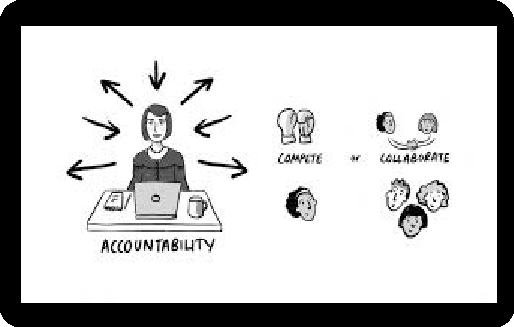
Share your goals with a friend or mentor. Accountability helps you stay on track.
Advanced Methods to Beat Procrastination
- Work During Peak Energy Hours: Tackle your hardest tasks when you feel most awake.
- Visualization: Picture the relief and benefits of completing your tasks.
- Change Language: Swap “I have to” with “I choose to” to feel more in control.
- Daily Routines: Develop habits that lessen decision fatigue.
- Productivity Tools: Use apps like Notion, Trello, and Forest to stay organized.
Long-Term Solutions
Set SMART Goals: Specific, Measurable, Achievable, Relevant, Time-bound.
- Adopt a Growth Mindset: View challenges as opportunities to improve.
- Mindfulness & Meditation: These practices can lower stress and enhance focus.
- Seek Professional Help: If procrastination is linked to anxiety or ADHD, therapy may be beneficial.
Conclusion
Procrastination is a habit, not a permanent state. By breaking work into smaller steps, managing your time well, and creating consistent routines, you can stop procrastinating and reach your goals with confidence.
The best time to act is today. Start small, stay focused, and celebrate each step forward.
for more article click here


Leave a Reply