
Introduction
Self-discipline is the foundation of success in every area of life. It gives you the strength to stay consistent, overcome distractions, and push forward even when motivation fades. Whether you want to improve productivity, achieve personal goals, or build healthier habits, discipline ensures that you follow through and stay on track.
In this article, we’ll explore what In this article, Self-Discipline means, its benefits, common challenges, and proven strategies to strengthen
means, its benefits, common challenges, and proven strategies to strengthen it.
What is Self-Discipline?
Self-Discipline means the ability to manage your behavior, emotions, and habits to stay committed to important tasks. Unlike motivation, which is temporary, it is a long-term strength you can develop through practice and consistency.
Why is Self-Discipline Important?
- Achieving Goals – Without it, goals remain dreams. It bridges the gap between intention and action.
- Boosting Productivity – It helps you prioritize important tasks over distractions.
- Improved Mental Strength – It trains your brain to resist temptations and focus on rewards.
- Better Health and Habits – From fitness to nutrition, discipline ensures you follow through.
Financial Success – Consistent saving and controlled spending require self-control.
Common Barriers
Many people struggle with consistency because of:
- Procrastination – Delaying important tasks.
- Lack of Clear Goals – Without clarity, you lose focus.
- Instant Gratification – Choosing short-term pleasures over long-term rewards.
- Negative Environment – Surroundings that encourage distraction.
- Low Energy and Stress – Mental fatigue reduces willpower.
How to Build Self-Discipline (Step-by-Step Strategies)
https://www.betterup.com/blog/how-to-be-disciplined
- Start Small and Be Consistent
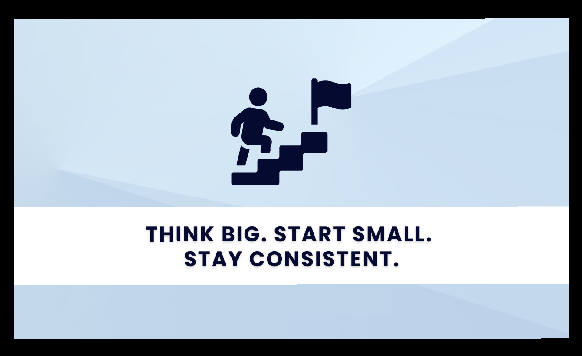
Begin with small, daily actions that slowly build momentum.
- Set Clear Goals
Write down SMART goals (Specific, Measurable, Achievable, Relevant, Time-bound).
- Remove Temptations
Limit distractions in your environment; turn off notifications, organize your workspace, and block time-wasting apps.
- Practice the 5-Second Rule
When you feel like delaying a task, count down from 5 and start immediately.
- Use the Pomodoro Technique
Work in focused sprints (25 minutes) followed by short breaks.
- Build Healthy Routines
Wake up early, plan your day, and include physical activity.
- Reward Progress
Reward yourself for completing tasks to reinforce good behavior.
- Practice Delayed Gratification
Train your brain to wait for bigger rewards instead of chasing instant pleasure.
9.Stay Accountable

Share your goals with mentors or peers for added accountability.
- Develop Mental Resilience
Push through discomfort; your discipline grows stronger each time you resist giving up.
Advanced Techniques for Self-Discipline
- Visualization: Picture yourself succeeding through consistent effort.
- Affirmations: Repeat empowering statements like “I am focused and consistent.”
- Habit Stacking: Attach new habits to existing routines.
- Mindfulness: Being aware of your impulses helps you control them better.
- Energy Management: Eat healthy, sleep well, and exercise; physical strength supports mental toughness.
Motivation vs. Discipline
Motivation is temporary and based on emotions.
Discipline is consistent and based on habits.
Successful people don’t wait for inspiration; they rely on habits built through consistency.
Real-Life Examples
- Athletes train daily, even when tired.
- Entrepreneurs work long hours before achieving success.
- Writers finish books by writing consistently.
- Students excel by sticking to study routines.
- Impact on Different Areas of Life
- Career – Helps you meet deadlines and grow professionally.
- Health – Builds consistency in diet and exercise.
- Finances – Encourages saving, investing, and avoiding debt.
- Personal Growth – Supports learning and skill development.
- Relationships – Builds patience, respect, and emotional control.
Tips to Stay Consistent
- Review your goals daily.
- Track your progress with journals or apps.
- Focus on one habit at a time.
- Be patient; discipline builds gradually.
- Restart quickly after setbacks.
Conclusion
Discipline is the foundation of success, productivity, and personal growth. Unlike motivation, which fades quickly, consistency ensures that you keep taking action. By practicing small daily habits, eliminating distractions, and focusing on long-term goals, you can strengthen your self-control and change your life.
The journey won’t be easy, but every step toward discipline brings you closer to reaching your full potential.
for more article click here


Leave a Reply