
Introduction
Planning is the unseen foundation of success, whether in personal life, education, or business. However, one of the biggest challenges people face is figuring out how much time to dedicate to short-term planning versus long-term planning.
Short-term planning keeps you productive today. Long-term planning makes sure your actions support your future goals. Focusing too much on short-term wins can lead to burnout and missed chances, while only looking at the future can result in little progress right now.
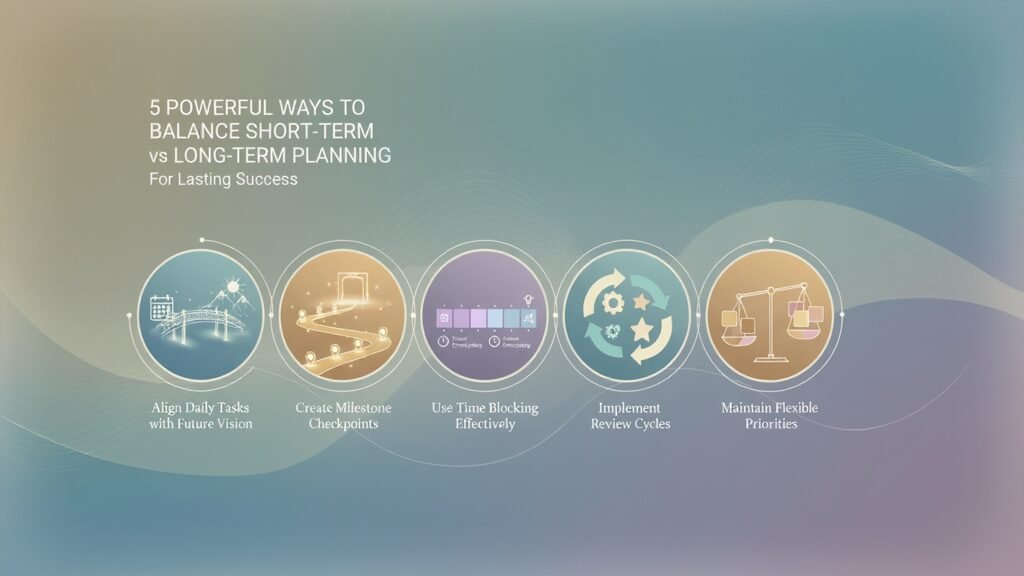
In this article, we will look at the 5 most effective ways to balance short-term and long-term planning, strategies to harmonize both, and how to use this balance for lasting success.
Understanding Short-Term Planning
What Is Short-Term Planning?
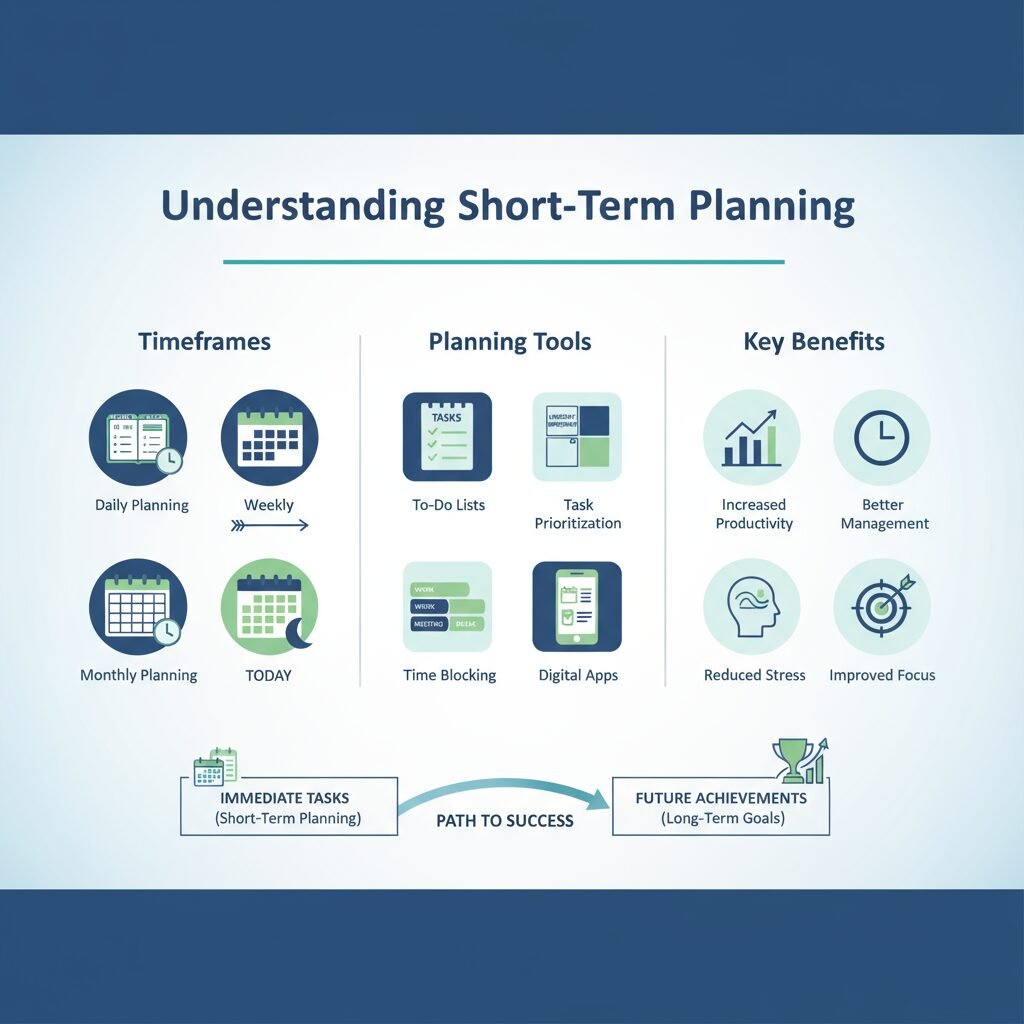
Short-term planning focuses on tasks, projects, and goals that can be completed in days, weeks, or months. It is immediate, measurable, and aimed at results.
Examples of short-term planning include:
- Preparing for an exam next week.
- Launching a small marketing campaign this month.
- Creating a 30-day fitness plan.
Benefits of Short-Term Planning
- Provides clarity on daily tasks.
- Builds momentum and quick wins.
- Keeps you motivated through visible results.
- Helps in correcting course before mistakes get bigger.
Risks of Only Relying on Short-Term Planning
- Can lead to burnout if overemphasized.
- May cause a lack of vision if the bigger picture is ignored.
- Often results in responding to issues instead of making proactive decisions.
Understanding Long-Term Planning
What Is Long-Term Planning?
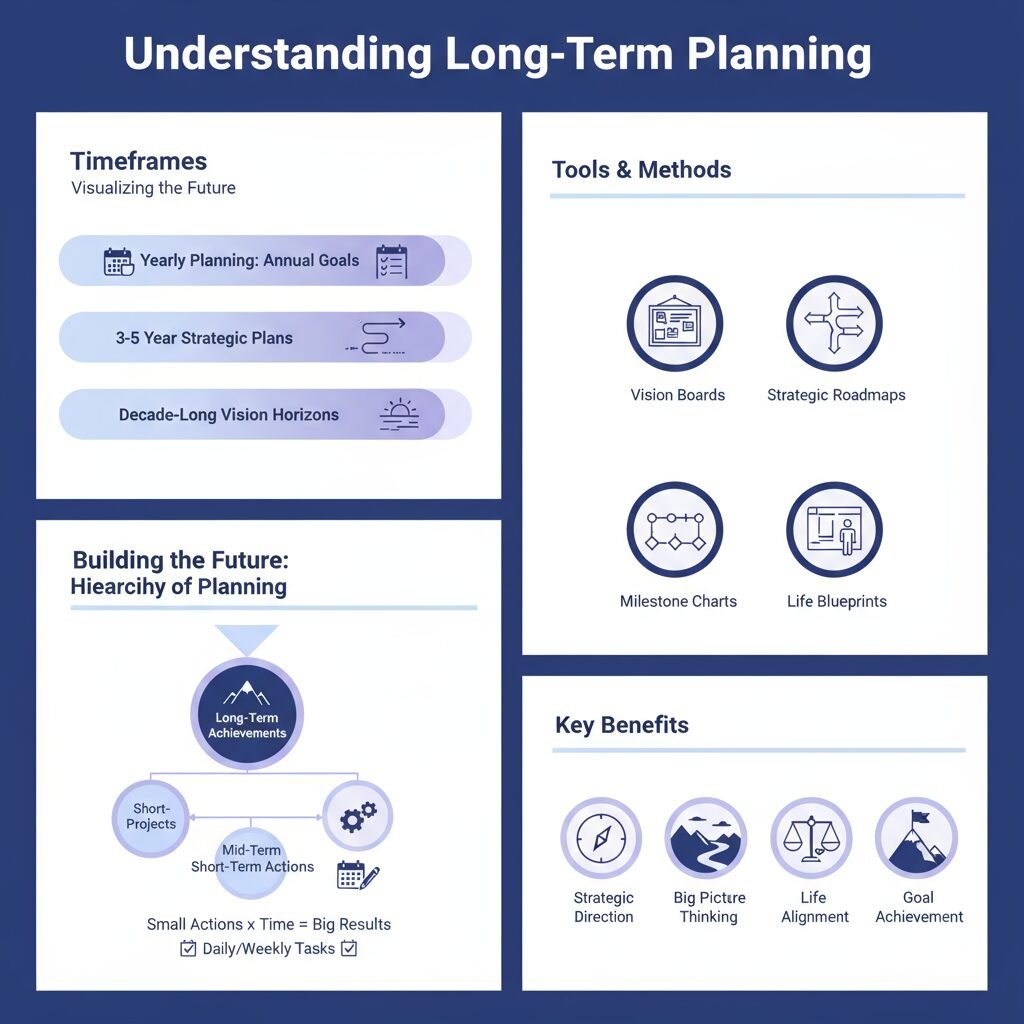
Long-term planning focuses on the future. It involves setting goals and visions that span years or even decades, ensuring that short-term activities support a larger purpose.
Examples of long-term planning include:
- Completing higher education to achieve a career goal.
- Building a 5-year business strategy.
- Planning for retirement or financial independence.
Benefits of Long-Term Planning
- Creates a clear vision for life and business.
- Provides direction for making decisions.
- Helps you stay consistent over time.
- Encourages sustainable growth instead of short-lived success.
Risks of Only Relying on Long-Term Planning
- May lead to overthinking the future.
- Creates frustration if immediate results are absent.
- Can make daily tasks feel disconnected.
| Aspect | Short-Term Planning | Long-Term Planning |
|---|---|---|
| Definition | Focuses on immediate goals, tasks, and results within days, weeks, or months. | Focuses on bigger goals, vision, and strategies that span years or decades. |
| Time Frame | Daily, weekly, or monthly. | 1 year, 5 years, or even lifelong goals. |
| Examples | Preparing for an exam, launching a campaign, exercising daily. | Completing higher education, building a business strategy, planning for retirement. |
| Benefits | Provides quick wins, builds momentum, and keeps you motivated. | Provides direction, sustainability, and helps align daily actions with vision. |
| Risks | Burnout, lack of vision, reactive decisions. | Overthinking, frustration from delayed results, disconnected execution. |
| Best Use | When you need productivity and visible progress. | When you need clarity, strategy, and long-term growth. |
| How to Balance | Align short-term goals with your long-term vision. Break down large goals into smaller milestones and review progress regularly. | |
5 Powerful Ways to Balance Short-Term vs Long-Term Planning
1. Align Short-Term Goals With Long-Term Vision
Think of short-term goals as stepping stones. If they don’t lead toward your larger vision, you will waste effort. For instance, if your long-term goal is financial freedom, your short-term actions could include budgeting, investing, or learning skills that earn a high income.
2. Use the 80/20 Rule for Planning
Spend 80% of your time executing short-term goals and 20% reflecting on long-term direction. This balance ensures productivity while keeping an eye on the future.
3. Break Down Long-Term Goals Into Smaller Milestones
Big goals can feel daunting until you break them into manageable pieces. For example:
- Long-term goal: Write a book.
- Short-term milestone: Write 500 words daily.
- Result: In 6 months, you’ll have a complete manuscript.
4. Review and Adjust Regularly
Life is unpredictable. A quarterly review of both short-term actions and long-term vision helps you stay adaptable. Tools like Notion, Trello, and Google Calendar make this easier.
5. Balance Flexibility With Discipline
Short-term planning needs discipline, including daily habits and deadlines. Long-term planning calls for flexibility to adjust your vision as life changes. Balancing both ensures steady progress.
Practical Tools for Balancing Planning
Digital Tools
- Trello/Asana – manage short-term tasks.
- Notion/Obsidian – track long-term vision.
- Google Calendar – manage schedules.
Personal Techniques
- Journaling for reflection.
- Vision boards for clarity.
- Daily checklists for action.
Real-Life Examples
Business Case Study
A startup that focuses only on short-term sales campaigns may make quick profits but put long-term survival at risk. On the other hand, a business obsessed with 10-year strategies might struggle to generate revenue today. Companies that balance both succeed sustainably.
Personal Growth Example
A student preparing for exams (short-term) while also networking, building skills, and planning their career path (long-term) will do better than peers who concentrate on just one side.
Common Mistakes to Avoid
- Treating short-term wins as the ultimate measure of success.
- Ignoring future risks while chasing daily goals.
- Overplanning long-term dreams without taking action.
- Not reviewing progress regularly.
Conclusion
Balancing short-term and long-term planning is not about choosing one over the other; it’s about creating harmony between today’s actions and tomorrow’s vision. By aligning short-term execution with long-term strategy, you can achieve both immediate progress and lasting success.
Voice Search Optimization (Q&A Format)
Q1: How do I balance short-term and long-term planning?
A: Focus on aligning short-term goals with your long-term vision. Break down big goals into smaller milestones and review your progress regularly.
Q2: Why is short-term planning important?
A: Short-term planning keeps you productive, builds momentum, and provides quick wins that motivate you to stay consistent for the long run.
Q3: Why is long-term planning important?
A: Long-term planning gives you direction, ensures sustainability, and guarantees that your short-term actions contribute to your future success.
Q4: What tools help in balancing both?
A: Use Trello or Asana for short-term tasks, Notion for your long-term vision, and Google Calendar for managing your time.
for more article click here


Leave a Reply