
Introduction
Stress management is not just a trendy term; it’s essential in today’s fast-paced world. From academic pressures to workplace challenges and personal responsibilities, stress is a daily reality for millions. How we deal with it can affect our physical health, emotional well-being, and overall productivity.
Learning to manage stress effectively can reduce anxiety, improve focus, and create balance in life. Instead of letting stress control us, we can use proper techniques to regain control over our minds and bodies. In this guide, we will explore proven stress management strategies, relaxation techniques, and coping methods that you can start applying right away.
What is Stress Management?
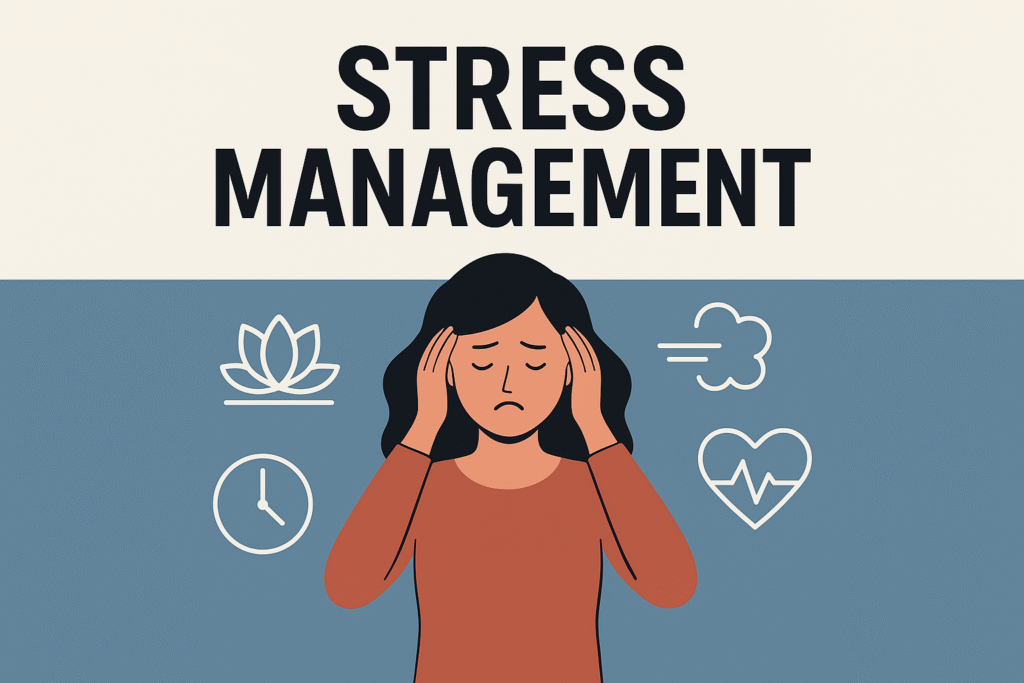
Stress management is the process of identifying sources of stress and using practical strategies to cope with or reduce them. It doesn’t mean removing stress completely, since stress is a natural response. Instead, it’s about learning to handle it in a healthy and productive way.
Key Benefits of Stress Management
- Better mental clarity and focus
- Improved physical health
- Higher productivity at work or school
- Reduced risk of anxiety and depression
- Stronger relationships and emotional stability
Common Causes of Stress

Understanding the root causes of stress is the first step in managing it. Some common triggers include:
- Workplace Pressure
Deadlines, heavy workloads, and office politics are among the biggest stressors for working professionals.
- Academic Demands
For students, exams, assignments, and uncertainties about the future can create overwhelming stress.
- Financial Struggles
Money issues, debt, and financial insecurity often lead to long-term stress.
- Personal Relationships
Conflicts, misunderstandings, or lack of support from family and friends can increase emotional stress.
- Lifestyle Choices
Not getting enough sleep, maintaining a poor diet, and having unhealthy habits (like too much caffeine or screen time) can raise stress levels.
Physical Strategies for Stress Relief
- Exercise and Physical Activity
Regular exercise is a powerful stress management tool. Activities like jogging, yoga, or brisk walking release endorphins, which naturally reduce stress.
- Balanced Diet
Eating nutrient-rich foods helps the body handle stress better. Cut back on sugar, caffeine, and processed foods.
- Adequate Sleep
Sleep is a natural stress reliever. Aim for 7 to 8 hours of quality sleep each night to allow your body and mind to recharge.
Mental and Emotional Stress Management
Mindfulness and Meditation
Mindfulness practices help you stay focused on the present instead of worrying about the past or future. Meditation and breathing exercises are effective for calming the mind.
Journaling
Writing down thoughts, feelings, and goals helps release tension and gives clarity on problems.
Positive Thinking
Training your brain to focus on solutions instead of problems reduces stress and builds resilience.
Practical Daily Habits
Time Management
Poor planning often creates unnecessary stress. Using planners, to-do lists, or scheduling apps helps prioritize tasks and reduce last-minute chaos.
Setting Boundaries
Learn to say no when you’re overwhelmed. Protecting your time and energy is crucial for managing stress.
Taking Breaks
Short breaks between work or study sessions prevent burnout and keep the mind refreshed.
Stress Management at Work
Workplace stress is a common issue today. To manage it:
- Organize tasks based on priority.
- Communicate clearly with team members.
- Take short walks during breaks.
- Maintain a healthy work-life balance.
Stress Management for Students
Students face academic, peer, and exam-related stress. Some coping strategies include:
- Breaking large assignments into smaller tasks.
- Practicing relaxation techniques before exams.
- Seeking help from teachers or mentors.
- Balancing study with hobbies and exercise.
Long-Term Stress Reduction Strategies
- Building Resilience
- Resilience is the ability to bounce back from challenges. Developing resilience through optimism, problem-solving, and self-care makes handling stress easier.
- Healthy Relationships
- Strong social connections provide support during stressful times. Talking to family, friends, or counselors can lighten emotional burdens.
- Hobbies and Recreation
- Engaging in activities like reading, painting, or music brings joy and reduces stress hormones.
Stress Management vs. Stress Avoidance
It’s important to remember that stress management does not mean avoiding challenges. Instead, it’s about:
- Recognizing what’s within your control.
- Learning coping methods for what isn’t.
- Maintaining balance between responsibilities and relaxation.
When to Seek Professional Help
If stress becomes overwhelming and leads to severe anxiety, depression, or health issues, professional help is necessary. Psychologists, counselors, and therapists can provide structured methods to manage chronic stress.
Conclusion
Stress management is a lifelong skill everyone should develop. While stress is unavoidable, how we respond to it defines our quality of life. By practicing relaxation techniques, keeping healthy routines, and adopting positive habits, we can turn stress from a burden into a motivator for growth.
Start small by practicing mindfulness, exercising regularly, and managing your time. Over time, these daily habits will help you build resilience and maintain inner calm, no matter what life throws at you.
for more articles click here


Leave a Reply